
Cranberry Hibiscus
Scientific Name: Hibiscus acetosella
Also known as: False roselle, African rosemallow, red-leaf hibiscus
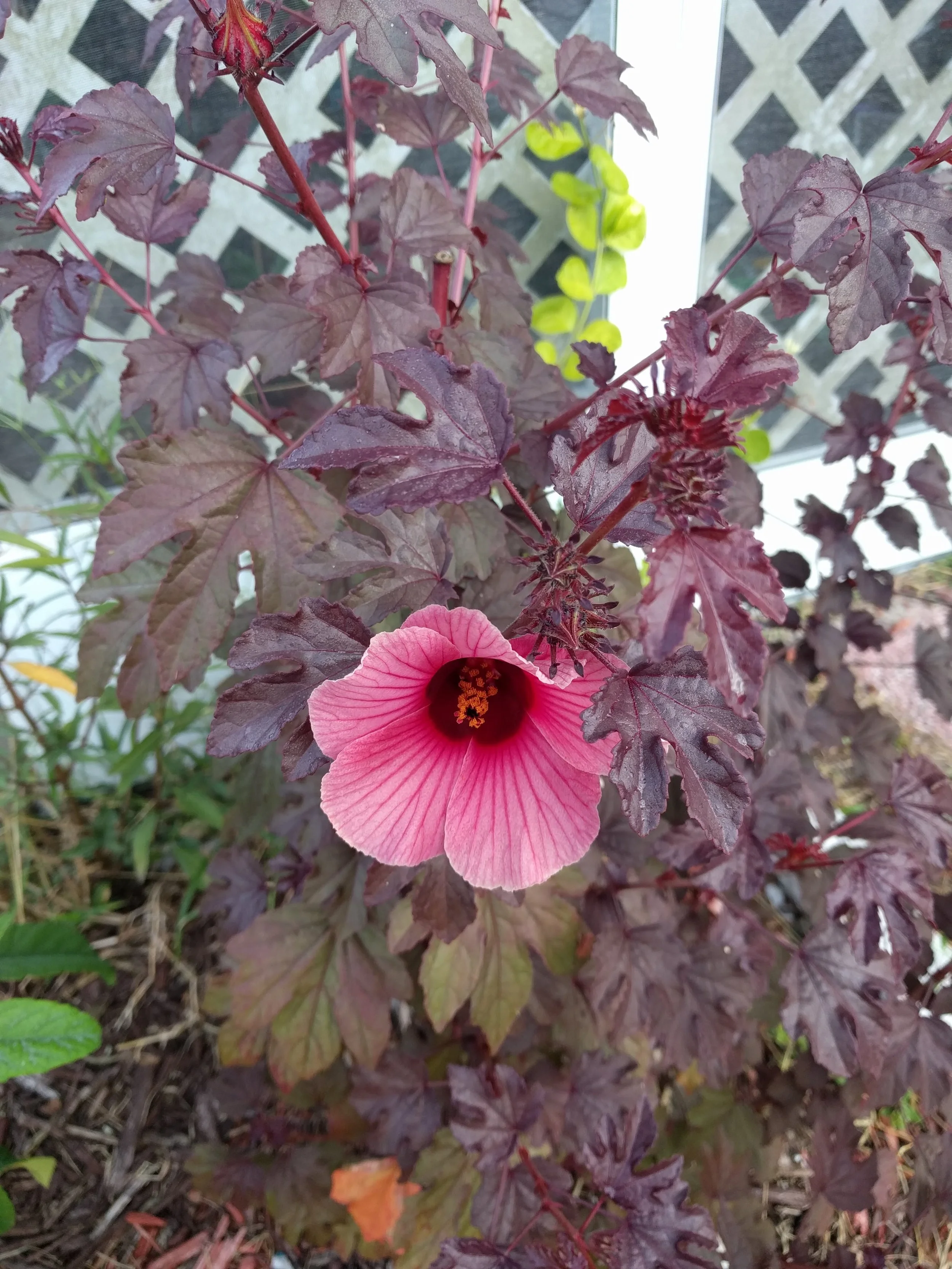
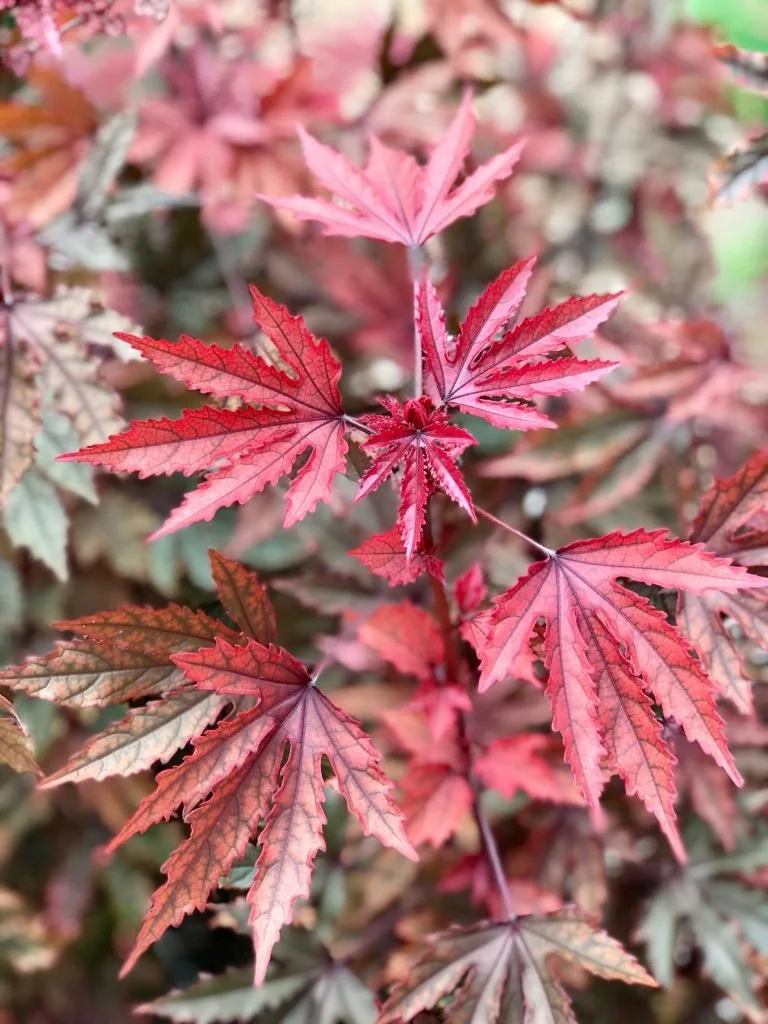
Cranberry hibiscus is a fast-growing tropical shrub prized for its dramatic burgundy foliage as much as its edible leaves and flowers. Its deeply lobed leaves resemble a Japanese maple, while their pleasantly tart, sorrel-like flavor makes the plant useful in the kitchen as well as the landscape. It thrives in warm weather and can be grown in garden beds or containers.
At a Glance
🌱 Type
Perennial shrub
Container Friendly
✅ Yes
💧 Water
Moderate
🌎 Growing Zone
Zone 9-10 perennial
Can we grown as a warm season annual in colder areas
☀️ Sun
Full Sun to light/dappled shade
Why Grow It?
Striking deep burgundy foliage provides season-long color.
Both the leaves and flowers are edible.
Thrives during hot, humid weather.
Fast growing and easy to prune.
Works well in both landscapes and containers.
Easy to propagate from seeds or cuttings.
Growing Tips
Grow in full sun for the richest foliage color, although light shade is tolerated.
Plant in fertile, well-drained soil.
Water regularly while establishing, but don't allow the roots to remain soggy.
Pinch or prune growing tips to encourage a fuller, bushier plant and more tender edible growth.
Harvest leaves regularly; pruning encourages fresh new shoots.
Because it is frost tender, save a few cuttings or seeds before winter if you want a backup plant for the following season.
Harvest and Uses
Harvest young leaves and tender growing tips throughout the warm season. The leaves have a bright, tangy flavor often compared with sorrel and can be eaten raw in salads and sandwiches or added to cooked dishes and stir-fries.
The flowers are also edible and can be used fresh as a garnish or fresh or dried for tea. Unlike roselle (Hibiscus sabdariffa), cranberry hibiscus is grown primarily for its leaves and flowers rather than fleshy calyces.
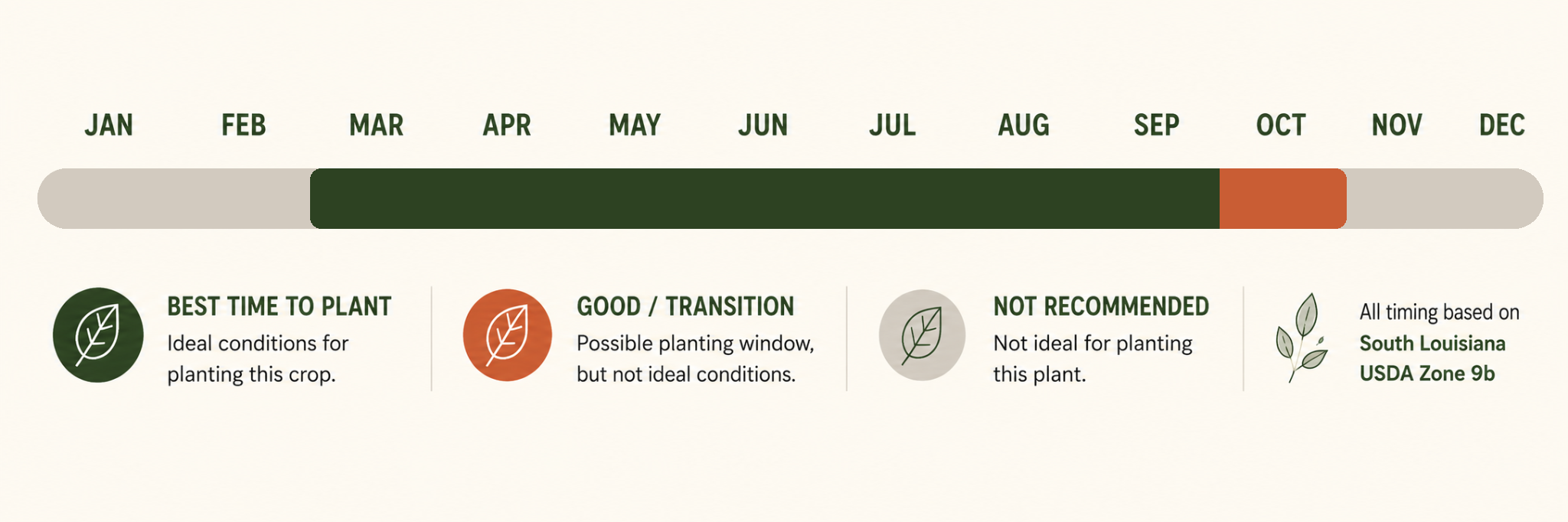
Best Time to Plant in Zone 9B
Pollinator Value
Cranberry hibiscus flowers attract bees, including specialized bees associated with the hibiscus family. Because the plant often flowers in late summer and fall, it can provide an additional floral resource later in the warm season.
Native Status
Non-native.
Cranberry hibiscus is native to tropical Africa, with its native range extending from Burundi into southern tropical Africa. It is grown in the United States as an edible and ornamental plant.