
Blue Butterfly Pea
Scientific Name: Clitoria ternatea
Also known as: Butterfly pea, blue pea, Asian pigeonwings
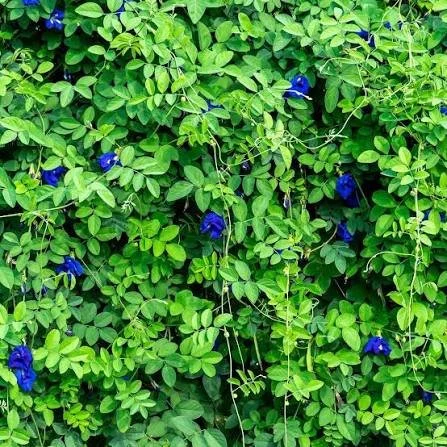
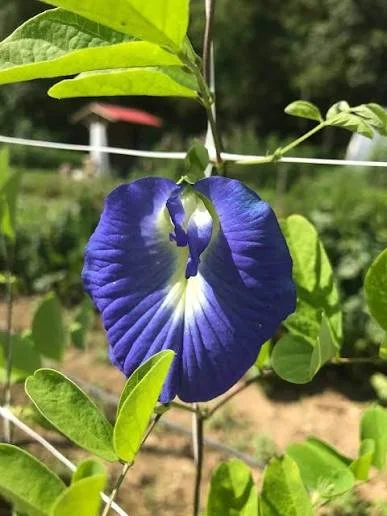
Blue butterfly pea is a fast-growing tropical vine known for its striking deep-blue flowers. It thrives in heat, climbs readily on trellises and fences, and brings together ornamental value, edible flowers, and pollinator appeal in one plant. In warm climates it can behave as a short-lived perennial, though frost may kill it back.
At a Glance
🌱 Type
Tropical leafy vine🪴
Container Friendly
✅ Yes
💧 Water
Moderate
🌎 Growing Zone
Zone 8-10 annual season
☀️ Sun
Full Sun to Part Sun
Why Grow It?
Loves heat and handles humid summers well
Produces vivid blue edible flowers
Excellent for trellises, fences, and vertical gardens
Flowers can be used for tea and natural food coloring
Attracts pollinators and adds long-season color
As a legume, it can fix nitrogen in the soil
Growing Tips
Give vines a trellis, fence, or other support.
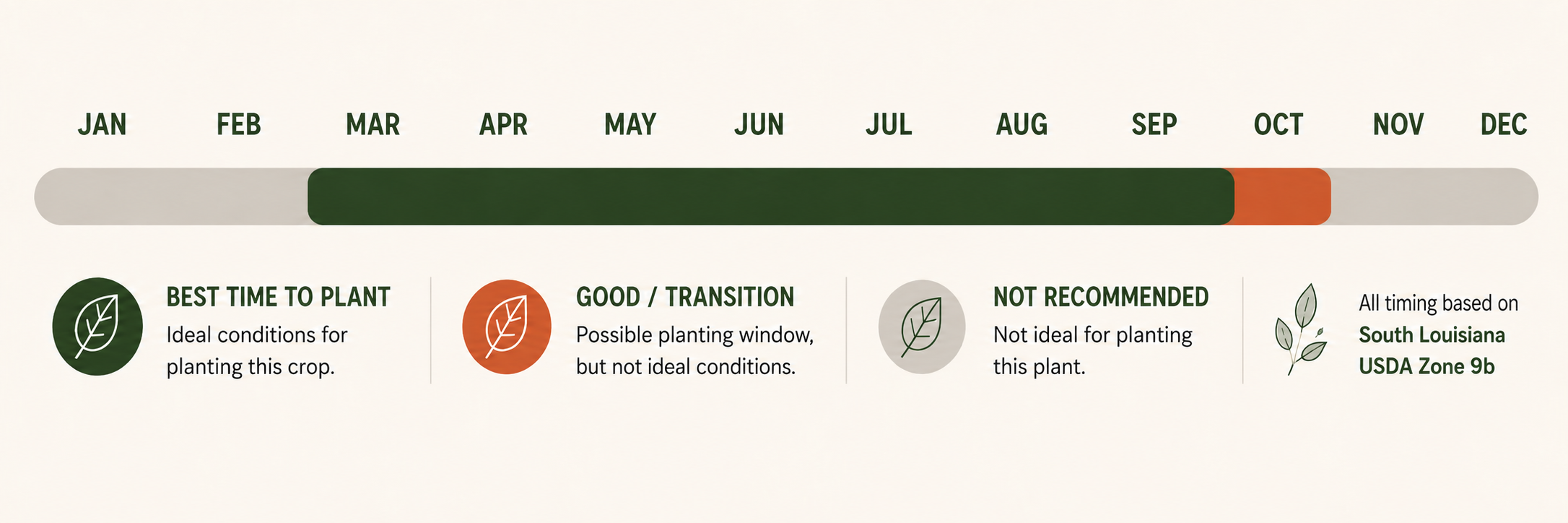
Plant after soil has warmed; butterfly pea prefers hot weather.
Grow in full sun to part sun and well-drained soil.
Water regularly while young, but avoid constantly soggy soil.
Harvest flowers frequently to encourage continued blooming.
Save mature seeds for future planting; plants may also reseed themselves.
Harvest and Uses
Harvest flowers when fully open. They can be used fresh or dried for teas, drinks, desserts, rice dishes, and natural food coloring.
The blue pigment is naturally pH-sensitive: adding acidic ingredients such as lemon juice shifts the color toward purple or pink.
Edible Parts: Flowers, young shoots, leaves, and tender young pods are reported as edible, although the flowers are by far the most commonly used part.
Best Time to Plant in Zone 9B
Pollinator Value
Butterfly pea flowers attract bees, butterflies, moths, and other visiting insects. Its long flowering season makes it a useful ornamental addition to a pollinator-friendly garden.
Native Status
Not native to Louisiana or the United States. Clitoria ternatea originates in tropical regions of Asia and Africa and is now widely cultivated in warm climates around the world.