
Seminole Pumpkin
Scientific Name: Cucurbita moschata
Also known as: Seminole squash, Florida pumpkin
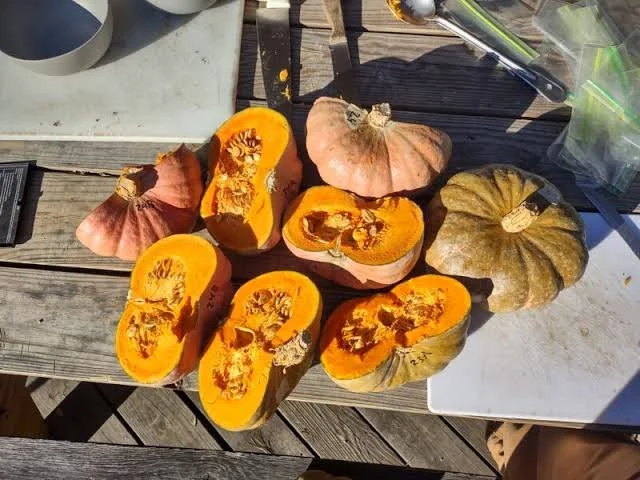
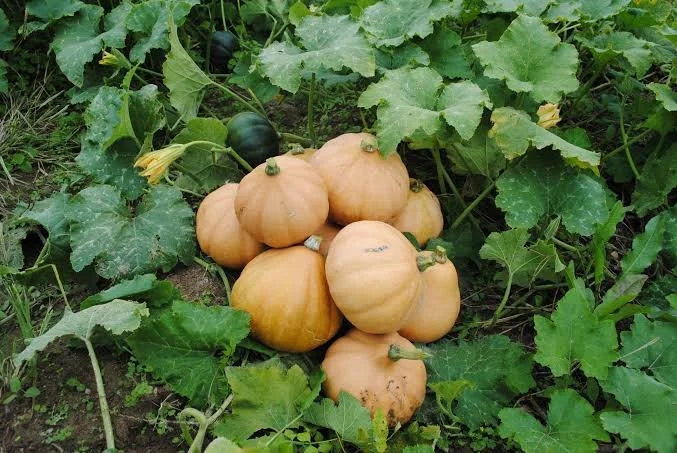
Seminole pumpkin is a vigorous heirloom winter squash traditionally grown by Indigenous peoples of Florida and the Southeast. It is especially well adapted to hot, humid conditions and produces small to medium tan-orange pumpkins with sweet, rich flesh.
For South Louisiana gardeners, its biggest advantage is resilience: Seminole pumpkin handles summer heat and humidity far better than many traditional pumpkin varieties and can produce on sprawling vines throughout the warm season.
At a Glance
🌱 Type
Tropical leafy vine🪴
Container Friendly
✅ Yes
💧 Water
Moderate and consistent
🌎 Growing Zone
Zone 8-10 annual season
☀️ Sun
Full Sun
Why Grow It?
Excellent heat and humidity tolerance
Well suited to Gulf Coast growing conditions
More resilient than many traditional pumpkins
Sweet, flavorful flesh excellent for cooking
Long storage life after harvest
Vigorous vines can cover fences, trellises, or large garden spaces
Heirloom variety with a long history of cultivation in the Southeast
Seeds can be saved from mature fruit for future planting
Growing Tips
Give vines plenty of room to sprawl or climb.
Plant in full sun with rich, well-drained soil.
Water deeply and consistently, especially during flowering and fruiting.
Mulch around plants to retain moisture and reduce weeds.
Encourage bee activity for good pollination and fruit set.
Harvest when the rind is hard and the stem begins to dry.
Harvest and Uses
Harvest Seminole pumpkins once the fruit has developed its mature tan to sandy-orange color, the rind is hard, and the stem begins to dry.
The flesh is sweet, firm, and similar to a rich butternut squash. Use it roasted, baked, mashed, or in soups, curries, pies, breads, and other pumpkin or winter-squash recipes.
One of Seminole pumpkin’s standout traits is its storage ability. Properly cured fruit can keep for months when stored in a cool, dry location.
Edible Parts: Mature fruit, immature squash, seeds, and blossoms.
Young fruit can also be harvested and cooked as summer squash, while mature seeds can be roasted or saved for planting.
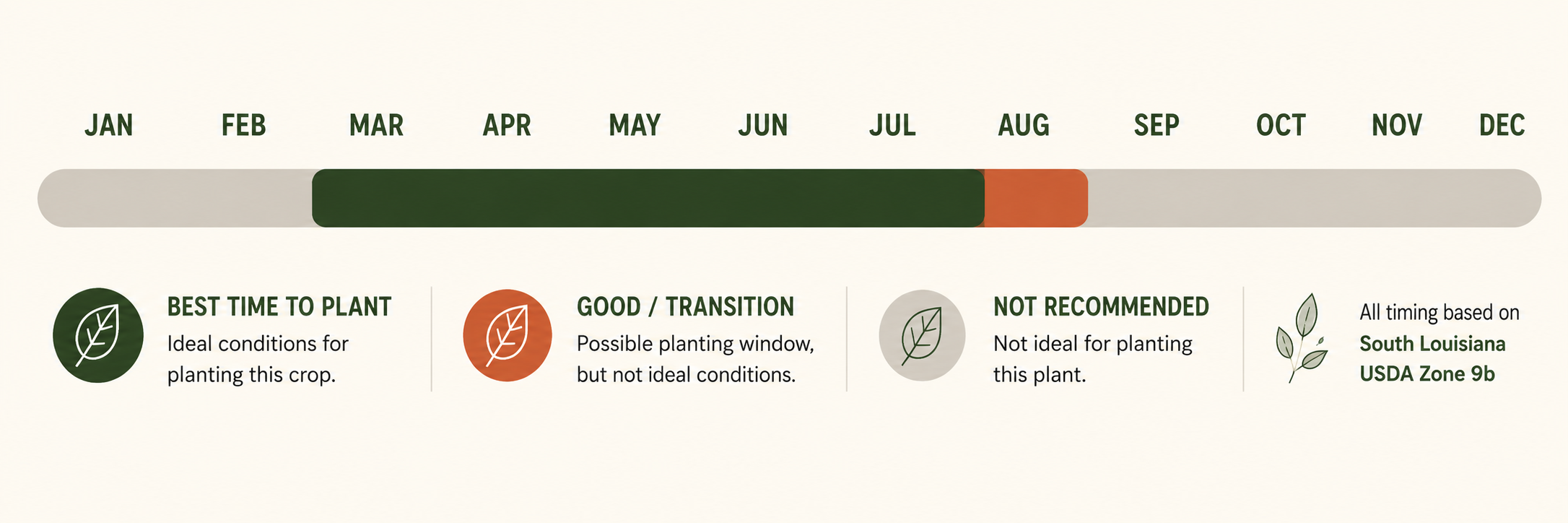
Best Time to Plant in Zone 9B
Pollinator Value
Seminole pumpkin produces large yellow male and female flowers that are highly attractive to bees. Successful fruit production depends on pollination of the female flowers, making bees and other squash-pollinating insects especially important.
Growing flowering herbs and native pollinator plants nearby can help encourage reliable pollination.
Native Status
Seminole pumpkin has a long history of cultivation by the Seminole, Miccosukee, Creek, Calusa, and other Indigenous peoples of Florida and the Southeast.
It is a cultivated form of Cucurbita moschata. Sources differ somewhat in how they describe its exact botanical “native” status, so it is more accurate to describe Seminole pumpkin as a Southeastern heirloom with deep Indigenous agricultural roots rather than simply labeling it a Louisiana native plant.